
Cryptozoology
'British big cat' legend fuelled by Canadian lynx, study says
It was a tantalizing animal mystery fuelled over the years by reported sightings of large, feline predators roaming the countryside and torn-apart dead sheep, nationalpost.com reported. Paranormal Country has not confirmed it.
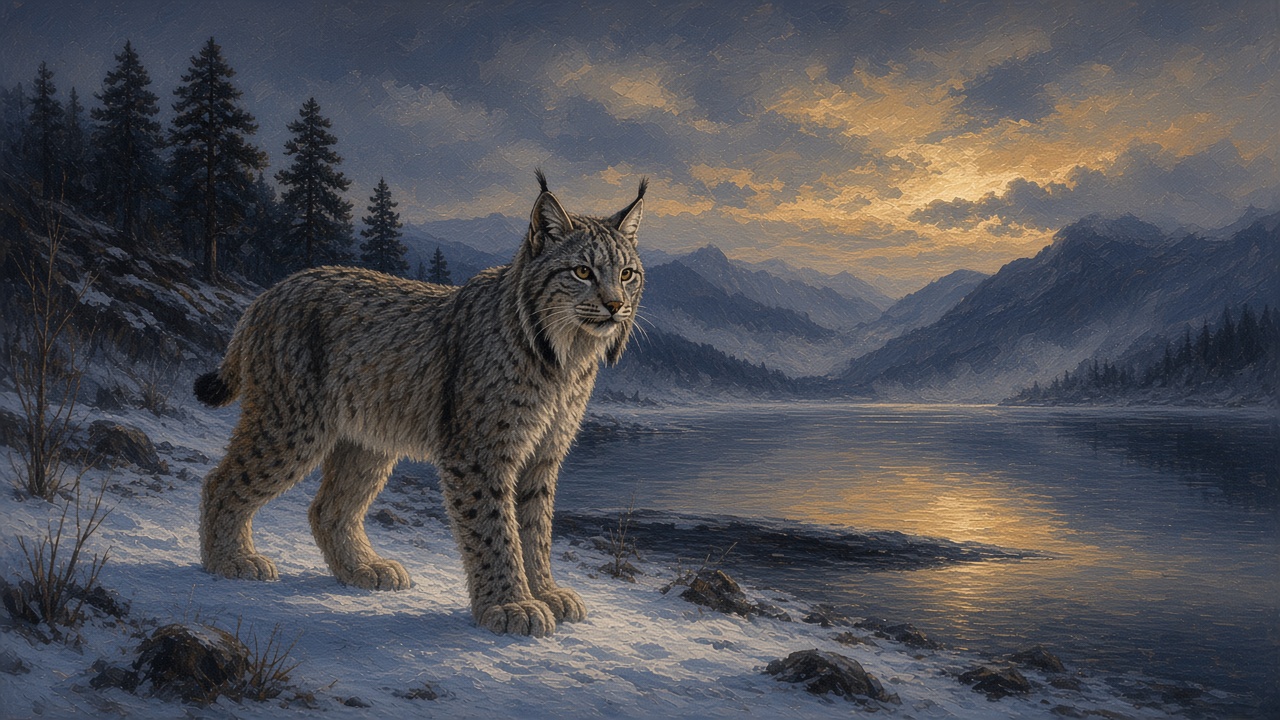
A recent study has cast new light on the enduring legend of British big cats, suggesting that the myth may have been significantly influenced by the presence of Canadian lynx rather than any native wildcat species. The phenomenon of large feline predators reportedly roaming the English countryside has long captivated the public imagination, with numerous sightings and accounts of livestock being attacked, fueling speculation about the existence of these elusive creatures.
Historically, the idea that Britain might still harbor descendants of the Eurasian lynx, which roamed the forests until around 700 A.D., has been a topic of fascination. However, the new research, published in the journal Historical Biology, challenges this notion by indicating that the big cat sightings could be linked to a lynx that was imported from Canada over a century ago. This finding undermines the theory that modern big cats in Britain are the result of natural persistence from ancient populations.
Greger Larson, a scientist from Durham University and co-author of the study, emphasized the importance of applying rigorous scientific methods to claims surrounding big cats in Britain. "Every few years there is another claim that big cats are living wild in Britain, but none of these claims have been substantiated. It seems that big cats are to England what the Loch Ness Monster is to Scotland," Larson stated in a research summary.
The study also addresses the impact of the U.K.'s Dangerous Wild Animals Act of 1976, which some believed led to the release of exotic pets into the wild. However, the researchers argue that this legislation alone does not account for the persistent belief that a population of large wildcats is thriving in the British countryside.
The specimen central to this study was rediscovered in the Bristol Museum and Art Gallery, where it had been stored among thousands of historical artifacts. The animal, which was more than twice the size of a typical house cat, was shot by a resident in Devon in 1903 after it reportedly killed two dogs. Although the animal's skin was taxidermied and labeled as a Eurasian lynx, its skull and skeletal remains were not included in the display, allowing researchers to conduct further analysis.
The study highlights that while there have been documented cases of big cats, such as leopards or pumas, being killed or recaptured in Britain—often as a result of escapes or deliberate releases from captivity—these instances do not substantiate the belief that a breeding population of large wildcats exists in the wild.
The enduring fascination with British big cats continues to attract attention from both the media and amateur naturalists, despite a lack of acceptance from the scientific community. As the legend persists, the implications of this research may prompt a reevaluation of claims surrounding these mysterious creatures, urging a more critical examination of the evidence presented.
Image: Paranormal Country · Source: nationalpost.com